
QIE Machinery
QIE Machinery
QIE Machinery
QIE Machinery

Soybean oil is a versatile vegetable oil extracted from the seeds of soybeans, a legume native to East Asia. It is one of the most widely consumed cooking oils globally, valued for its neutral flavor, high smoke point, and nutritional profile. Soybean oil is rich in polyunsaturated fats, particularly omega-6 fatty acids, as well as monounsaturated fats. Additionally, it contains vitamin E, an antioxidant that helps protect cells from damage caused by free radicals.

The total cost of setting up a soybean oil processing mill varies drastically based on production scale (small-scale home/mini mill vs. medium commercial mill vs. large industrial plant), automation level (manual vs. semi-automatic vs. fully automatic), raw material processing capacity (tons per day, TPD), equipment quality/brand, and local factors (land, labor, utility costs, construction, import duties for machinery).
Soybean oil mills are categorized by TPD (Tons Per Day) of soybean input—this is the core metric for cost estimation, as soybean oil yield is a stable ~18-22% (1 ton of soybeans produces ~180-220 kg of crude soybean oil). Below is a detailed, global average cost breakdown (in US dollars) for the most common scales, including all key cost components (equipment, land, construction, utilities, labor, working capital, etc.).
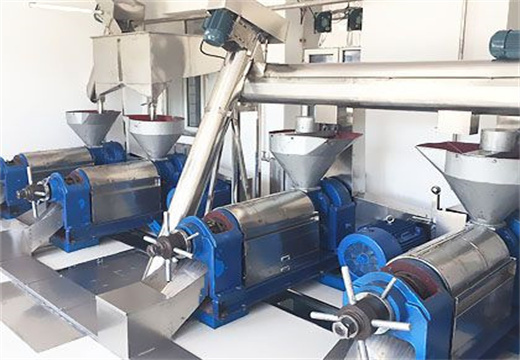
Ideal for: Regional supply, wholesale to local distributors, small-scale refining (sell refined, bleached, deodorized (RBD) soybean oil—the standard edible oil).
| Component | Cost Range (USD) | % of Total Cost |
|---|---|---|
| Machinery & Installation | $30,000 – $200,000 | 60-67% |
| Land (Purchase/Lease) | $5,000 – $30,000 | 10-10% |
| Factory/Storage Construction | $8,000 – $40,000 | 16-13% |
| Utilities (Power/Water) | $3,000 – $15,000 | 6-5% |
| Licenses & Misc | $2,000 – $10,000 | 4-3% |
| Working Capital | $10,000 – $50,000 | – (6 months) |
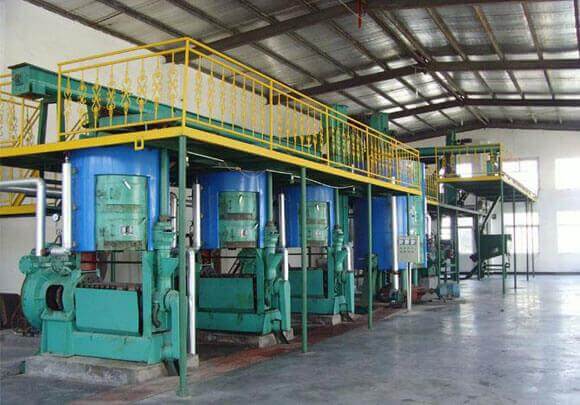
| Component | Cost Range (USD) | % of Total Cost |
|---|---|---|
| Machinery & Installation | $300,000 – $3,500,000 | 60-70% |
| Land & Construction | $100,000 – $800,000 | 20-16% |
| Utilities & Infrastructure | $50,000 – $400,000 | 10-8% |
| Licenses & Misc | $20,000 – $150,000 | 4-3% |
| Working Capital | $100,000 – $500,000 | – (6-12 months) |
| Component | Cost (USD, Africa/Asia) |
|---|---|
| Imported Chinese/Indian Machinery + Installation | $60,000 – $90,000 |
| Import Duty/Clearing (20-30%) | $12,000 – $27,000 |
| Factory Shed + Storage | $8,000 – $15,000 |
| Generator + Power Setup | $3,000 – $5,000 |
| Licenses & Misc | $2,000 – $3,000 |
| Contingency Fund (10%) | $10,000 – $15,000 |
| Working Capital (6 months) | $10,000 – $20,000 |
What is the average percentage split of total costs for a mid-scale mill?
| Cost Component | Percentage of Total Cost |
|---|---|
| Machinery & Equipment | 45–55% |
| Land & Construction | 15–25% |
| Utilities & Compliance | 10–15% |
| Working Capital | 10–15% |
| Labor/Training/Others | 5–10% |
| Contingency Fund | 10–15% |
What are the main cost components of setting up a soybean oil processing mill?
The total cost is split into one-time fixed costs and recurring operational costs. Core components include:
Machinery & Equipment: The largest single cost (40–60% of total fixed costs) – including cleaning, crushing, extraction, refining, filtration, and packaging machines (cold press/hot press/solvent extraction).
Land & Construction: Land acquisition/lease, factory building (processing area, raw material storage, finished product warehouse, office), and civil works (flooring, ventilation, water/electricity lines).
Utilities & Infrastructure: Power supply (generator for areas with unstable electricity), water supply, wastewater treatment (compliant with local environmental regulations), and fuel storage.
Licenses & Compliance: Business registration, food safety certification, environmental permits, import/export licenses (for international operations), and local tax registration.
Raw Material Sourcing: Initial soybean stock, transportation, and quality testing equipment.
Labor & Training: Hiring skilled workers (machine operators, quality control), unskilled labor, and on-site training for equipment operation/maintenance.
Working Capital: Cash reserve for 3–6 months of operational costs (raw materials, labor, utilities, logistics).
Other Costs: Shipping/installation of imported equipment, insurance, marketing, and contingency funds (10–15% of total cost for unexpected expenses).
What are the key steps to set up a soybean oil processing mill (step-by-step)?
A streamlined 10-step process for all scales:
Market Research: Analyze local/regional soybean oil demand, pricing, competition, and byproduct (soybean meal) market potential.
Feasibility Study: Calculate TPD capacity, cost estimates, ROI, payback period, and raw material supply stability.
Business Registration: Secure a legal business entity (LLC, sole proprietorship, cooperative) and tax registration.
Location Selection: Choose a site near soybean farms (low transport costs) with access to power, water, and logistics (roads/ports).
Regulatory Approval: Obtain food safety, environmental, and operational permits (mandatory for all mills).
Equipment Sourcing: Select a turnkey supplier for core machinery (matching scale/technology) with installation/after-sales support.
Factory Construction/Setup: Build/renovate processing, storage, and office space; install utilities (power, water, wastewater systems).
Installation & Commissioning: Set up machinery, test production lines, and train workers on operation/maintenance.
Raw Material Sourcing: Secure soybean supply (farm partnerships, bulk suppliers) and establish quality control (QC) protocols.
Launch & Operations: Start small-scale production, refine QC/operations, and scale up as demand grows.
What core equipment is required for different mill scales?
All mills need a processing line (cleaning → extraction → refining → packaging)—equipment scales with TPD capacity (mandatory equipment only):
Small Scale (1–20 TPD) (Cold/Hot Press)
Soybean cleaner/dehuller, seed roaster (hot press only), oil expeller (core), filter press, small semi-refined unit, stainless steel storage tanks, manual packaging machine.
Medium Scale (20–100 TPD) (Hot Press + Semi-Continuous Refining / Small Solvent Extraction)
Automated cleaning/crushing line, solvent extractor (optional, for higher yield), semi-continuous refiner (degumming/neutralization), oil degreaser, automatic packaging line (bottles/tins), bulk storage tanks.
Large Scale (100+ TPD) (Continuous Solvent Extraction + Full Refining)
Fully automated production line, continuous solvent extraction system, full refiner/deodorizer/fractionation, oil polishing machine, bulk oil storage silos, automated loading/unloading, QC lab equipment.
What is a turnkey project, and is it right for startups?
A turnkey soybean oil mill project is a fully packaged solution from a supplier that includes: machinery design + manufacturing + shipping + installation + commissioning + worker training + after-sales service.
Yes—it is the best choice for startups (especially first-time mill owners):
Eliminates the hassle of sourcing individual equipment parts.
Ensures all machinery is compatible (no production line breakdowns).
Includes training (critical for unskilled labor in emerging markets).
Most suppliers offer a 1–2 year warranty (reduces maintenance risks).
Cost: Slightly higher than sourcing individual parts (5–10%), but worth the time/ risk savings.
Whether you contact us by phone, email, or leave a message online, we will provide you with comprehensive and high-quality services.
Phone: 0086-13949113983
WhatsApp:
Email: qiea@oilpresses.org
Address: No.352 Lianhua Street, Hightech Industrial Development Zone, , Zhengzhou City,Henan Province, China
