
QIE Machinery
QIE Machinery
QIE Machinery
QIE Machinery

Soybean oil is a vegetable oil extracted from soybean seeds (Glycine max). It is widely used in various food products, including salad dressings, sandwich spreads, margarine, bread, mayonnaise, non-dairy coffee creamers, and snack foods.
Soybean oil is cheap, healthy, and has a high smoke point. It contains natural antioxidants and many nutrients like linoleic acid, Vitamin E, vitamin D, vitamin A, carotene, calcium, phosphorus, iron, and rich lecithin.
Establishing a soybean oil mill plant involves a structured technical process that converts raw soybeans into edible oil and high-protein meal. The scale of your operation (daily processing capacity) determines whether you should use mechanical pressing or chemical solvent extraction. (You may also interested in Cost of Setting up a Soybean Oil Processing Mill >>)
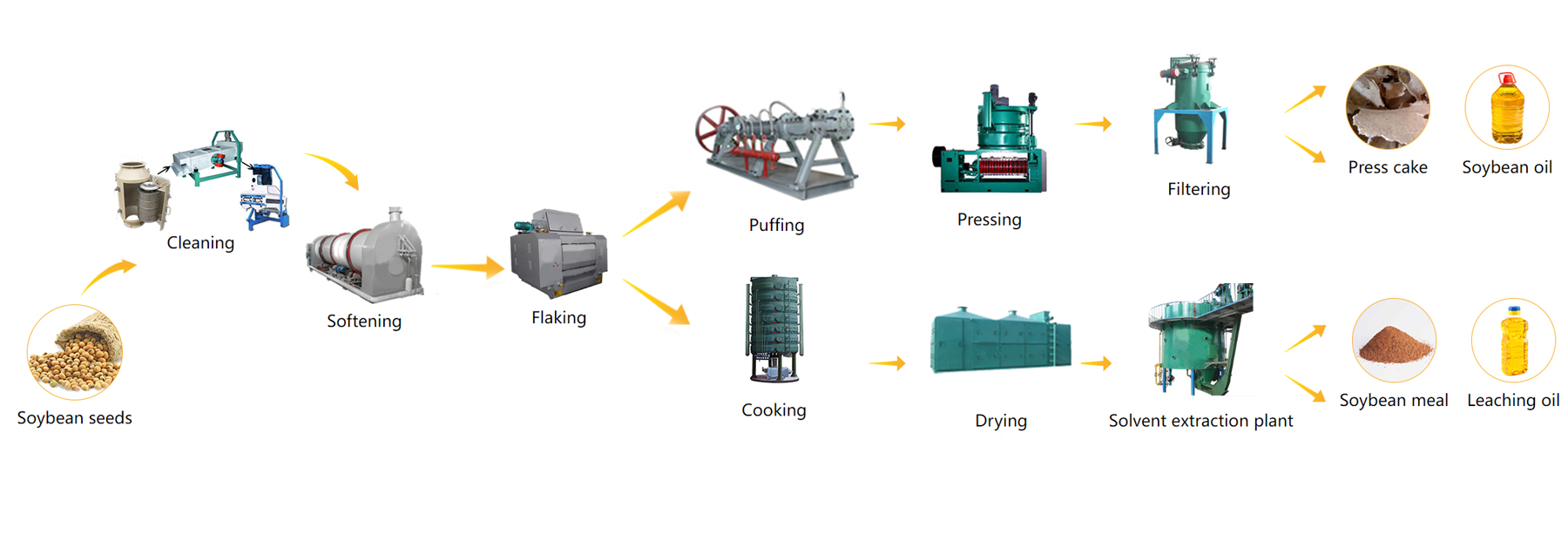
soybean cleaning→Dehulling & Crushing→softening→pressing/puffing processes
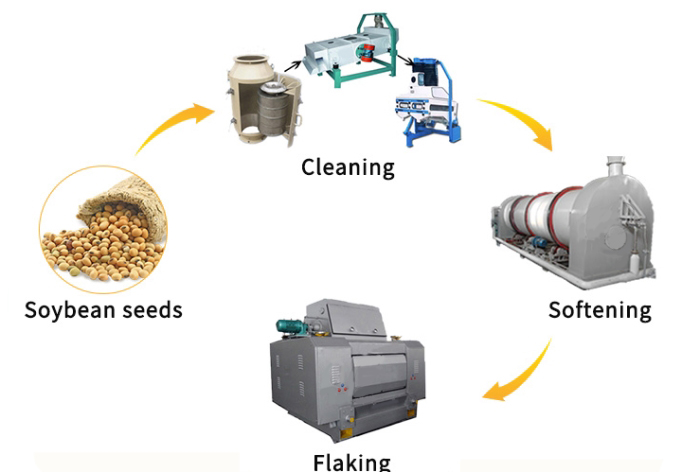
Soybean Cleaning Process
The purpose of the soybean cleaning section is to remove impurities such as stones, sand, stems, leaves, and iron contained in soybean raw materials, while selecting out moldy or damaged grains.
Common cleaning methods include screening, air separation, magnetic separation, and gravity separation.
Equipment for the cleaning process includes vibrating screens, gravity stone removers, air separation devices, permanent magnetic drums, etc. During the soybean oil production process, it is necessary to rationally match equipment based on the characteristics of raw materials and processing requirements to ensure the effectiveness and efficiency of cleaning.
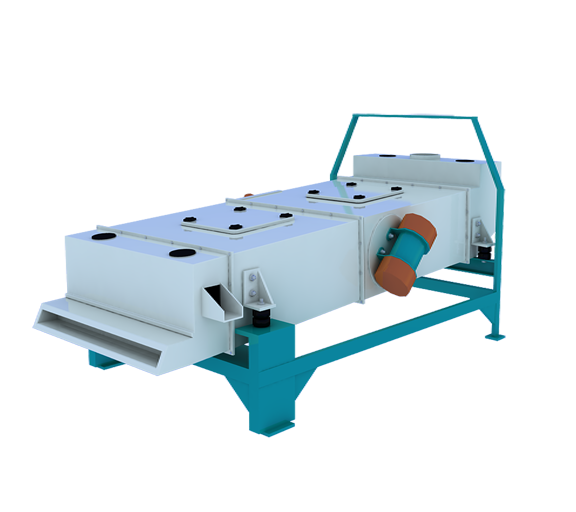
Soybean Dehulling & Crushing
After cleaning, soybeans with large particles need to undergo dehulling and crushing. The main purpose is to achieve the appropriate particle size for subsequent pressing requirements. Additionally, through crushing, the surface area of soybeans increases, facilitating the transfer of temperature and moisture during softening, thereby enhancing the softening effect.
Common soybean crushers are equipped with double-roll crushers, where the toothed roll crushers have different speeds. Through cutting, squeezing, and grinding, these crushers crush large soybeans into particles with a specific size.
After crushing, soybeans are separated into kernels and husks based on the different densities of husks and kernels, using air and collision methods according to the production process and product specifications.
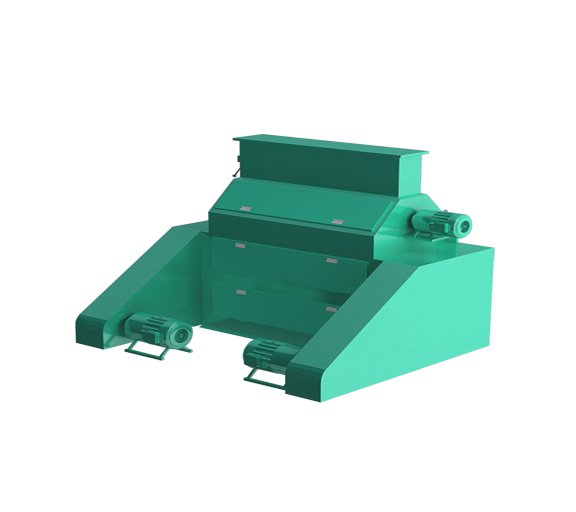
Soybean Softening & Flaking Process
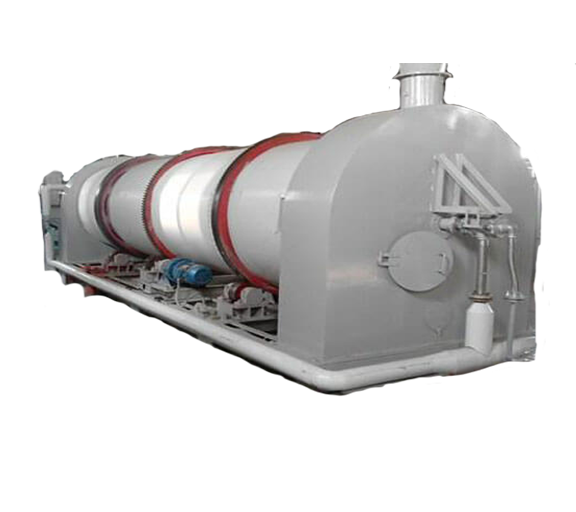
Softening process: Key pre-processing before flaking, aims to adjust oilseeds to suitable moisture levels.
Required Equipment: Softening pots, softening boxes, etc.
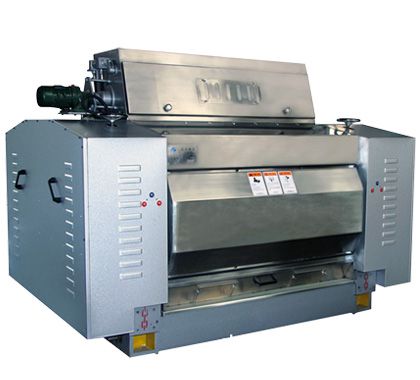
Soybean Flaking process: Utilizes flaking machines – single-pair roller, double-pair roller, three rollers, and hydraulic pressure roller flaking machines. These machines process soybeans into flakes or crude materials with the desired thickness for subsequent oil extraction.
Soybean oil extraction is categorized into two primary commercial methods—mechanical pressing and solvent extraction—alongside emerging technologies like supercritical fluid extraction.
Soybean oil solvent extraction is the industrial gold standard for large-scale production, recovering up to 99% of the oil content from soybeans. This chemical process typically uses n-hexane due to its high efficiency, low boiling point (69°C), and ease of recycling.
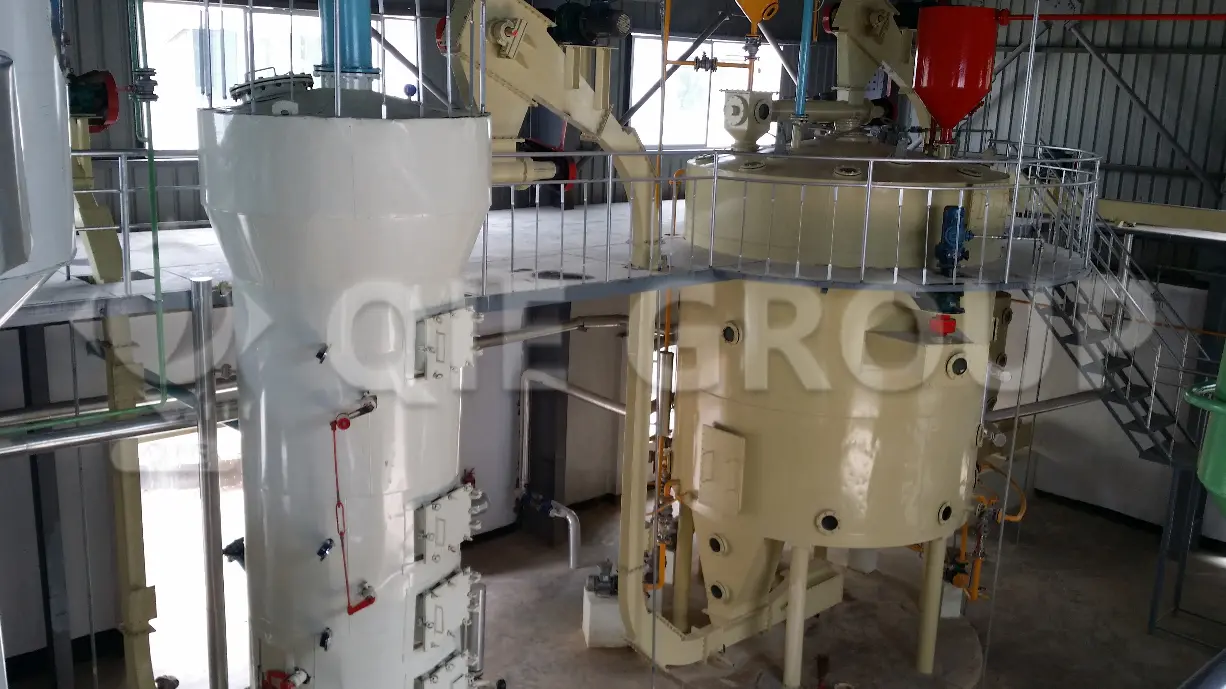
A professional solvent extraction plant is divided into four integrated systems:
Solvent Extraction (Leaching): Processed soybean flakes or pellets are soaked in hexane within a continuous extractor (like a Rotocel or Loop extractor). The hexane dissolves the oil, creating a liquid mixture called miscella and leaving behind wet meal.
Wet Meal DTDC System: The wet meal is sent to a D.T.D.C. (Desolventizer-Toaster-Dryer-Cooler) unit. This system uses steam to evaporate residual solvent from the meal, which is then dried and cooled for use as high-protein animal feed.
Miscella Evaporation & Stripping: The miscella is heated in a multi-stage evaporation system and a stripping tower. This uses the difference in boiling points between oil and hexane to separate the pure crude oil from the solvent.
Solvent Recovery: All evaporated hexane vapors are condensed into liquid form through a vertical tube condensation system and recycled back into the extractor. Typically, only 1–1.5 kg of solvent is lost per ton of processed beans.
Industrial plants (100–3,000 tons/day) utilize a specific set of automated machinery:
| Key Machinery | Purpose | |
|---|---|---|
| Extraction | Rotocel/Loop Extractor | Mixes flakes with solvent for leaching. |
| Meal Processing | Desolventizes and toasts the soybean meal. | |
| Oil Processing | Evaporators & Strippers | Separates crude oil from the solvent. |
| Recycling | Condensers & Solvent Pumps | Recovers and pumps solvent for reuse. |
Mechanical pressing is the preferred method for small-to-medium scale soybean oil production (1–30 tons per day) and for producing “Natural” or “Cold Pressed” oils that avoid chemical solvents.
The heart of this process is the screw oil press (expeller). It uses a rotating screw shaft to continuously push pretreated soybeans through a pressurized cage. The friction and high pressure squeeze the oil out through small gaps, while the compressed solids exit as soybean cake.
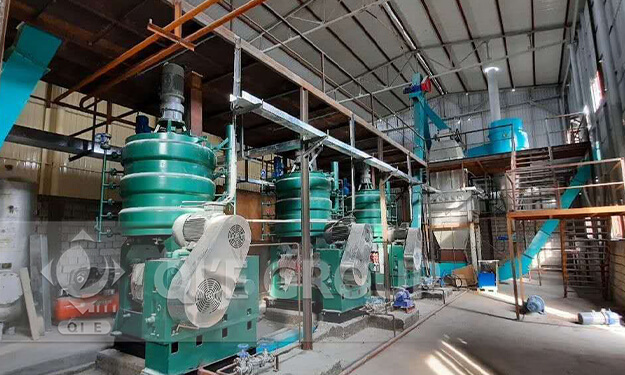
Hot Pressing: Soybeans are pre-cooked or roasted to 100–110°C. This lowers the oil’s viscosity, making it easier to extract and increasing the yield.
Cold Pressing: Beans are pressed at temperatures below 60°C. While this results in a lower yield, it preserves the oil’s natural antioxidants, Vitamin E, and flavor, allowing for a premium market price.
| Advantage | Disadvantage |
|---|---|
| Lower Investment: Simple machinery and lower startup costs. | Lower Yield: Leaves 6–8% residual oil in the cake (vs. <1% in solvent extraction). |
| Chemical-Free: No hexane used, resulting in a cleaner label. | Lower Capacity: Harder to scale to massive industrial volumes (>100 TPD). |
| Compact Footprint: Requires less factory space and fewer safety certifications. | Wear and Tear: Screw components require regular replacement due to friction. |
The soybean oil refining process is a crucial step to convert crude soybean oil (obtained from solvent extraction or mechanical pressing) into high-quality edible oil that meets food safety standards. Crude soybean oil contains various impurities, including phospholipids, free fatty acids, pigments, odorous substances, and trace harmful compounds. Refining removes these impurities while retaining the oil’s nutritional properties. The complete industrial refining process consists of four core steps, with optional advanced processing for specialty oil products. (Read more: Large Continuous Soybean Oil Refinery Plant >>)
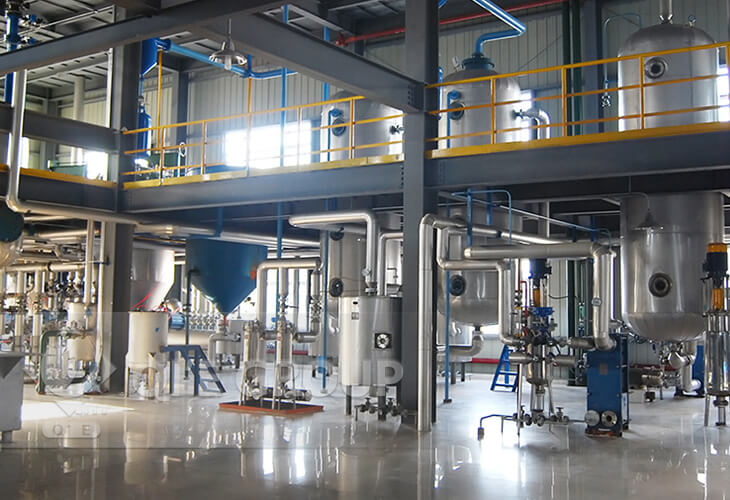
Phospholipids in crude oil are hydrophilic and can cause oil turbidity, foaming, and smoke during heating (e.g., frying). Degumming is the first and most critical step in refining.
Water Degumming (Mainstream Method): Add hot soft water (80–90°C) to crude oil at a ratio of 3%–5% of the oil weight, and stir thoroughly for 30–60 minutes at 60–70°C. Phospholipids absorb water and aggregate into insoluble gums.
Separation: Separate the gum precipitate from the oil using a high-speed centrifuge (rotating speed ≥5000 r/min). The separated precipitate is soybean lecithin, which can be further processed into a high-value product for food, medicine, and cosmetics industries.
Optional Acid Degumming: For crude oil with high phospholipid content, add dilute phosphoric acid or citric acid before water addition to convert non-hydratable phospholipids into hydratable ones, improving degumming efficiency.
Free fatty acids (FFAs) increase the acidity of oil, causing a sour taste and accelerating rancidity. Neutralization (also called deacidification) removes FFAs through chemical reaction.
Alkali Addition: Add a calculated amount of dilute sodium hydroxide (NaOH) solution (10%–15% concentration) to the degummed oil, and stir vigorously at 60–80°C. FFAs react with NaOH to form soap stock (sodium salts of fatty acids).
Separation: Use a centrifuge to separate the heavy soap stock from the neutralized oil. The soap stock can be processed into fatty acids or soap for industrial use.
Washing & Drying: Wash the neutralized oil with hot water (70–80°C) to remove residual soap, then dry it under vacuum to eliminate moisture.
Neutralized oil still contains pigments (carotenoids, chlorophyll) and residual soap, which affect the oil’s color and shelf life. Bleaching removes these substances through adsorption.
Adsorbent Addition: Mix the neutralized oil with bleaching earth (activated clay, 1%–3% of oil weight) or activated carbon (0.1%–0.3% of oil weight). Bleaching earth has a porous structure and strong adsorption capacity for pigments and impurities.
Adsorption Reaction: Heat the mixture to 80–100°C under high vacuum (0.09–0.095 MPa) and stir for 20–30 minutes. Vacuum conditions prevent oil oxidation during heating.
Filtration: Separate the spent bleaching earth from the oil using a vacuum filter or pressure leaf filter. The filtered oil is light yellow, clear, and transparent.
This is the final step of basic refining, which removes volatile odorous substances (aldehydes, ketones, alcohols) and trace harmful compounds (pesticide residues, polycyclic aromatic hydrocarbons) to improve the oil’s flavor and safety.
Heating & Vacuuming: Heat the bleached oil to 220–260°C under high vacuum (0.095–0.098 MPa). High vacuum reduces the boiling point of volatile substances, avoiding oil decomposition at high temperatures.
Steam Stripping: Introduce low-pressure direct steam (0.1–0.2 MPa) into the heated oil. The steam bubbles contact the oil fully, stripping odorous and harmful substances from the oil.
Cooling: Cool the deodorized oil to 40–50°C rapidly to prevent re-oxidation. The resulting product is refined edible soybean oil, which meets national and international food safety standards.
Cool the refined oil to 5–10°C and keep it for 24–48 hours to crystallize high-melting-point triglycerides (stearin). Separate the stearin by filtration to obtain low-freezing-point salad oil suitable for cold areas or salad dressing production.
| Refining Step | Temperature Range | Vacuum Degree | Key Control Indicator |
|---|---|---|---|
| Degumming | 60–70°C | Normal Pressure | Phospholipid Content < 50 ppm |
| Neutralization | 60–80°C | Normal Pressure | Acid Value ≤ 0.2 mg KOH/g |
| Bleaching | 80–100°C | 0.09–0.095 MPa | Lovibond Color ≤ 2.5Y + 0.3R |
| Deodorization | 220–260°C | 0.095–0.098 MPa | Peroxide Value ≤ 1.0 meq/kg |
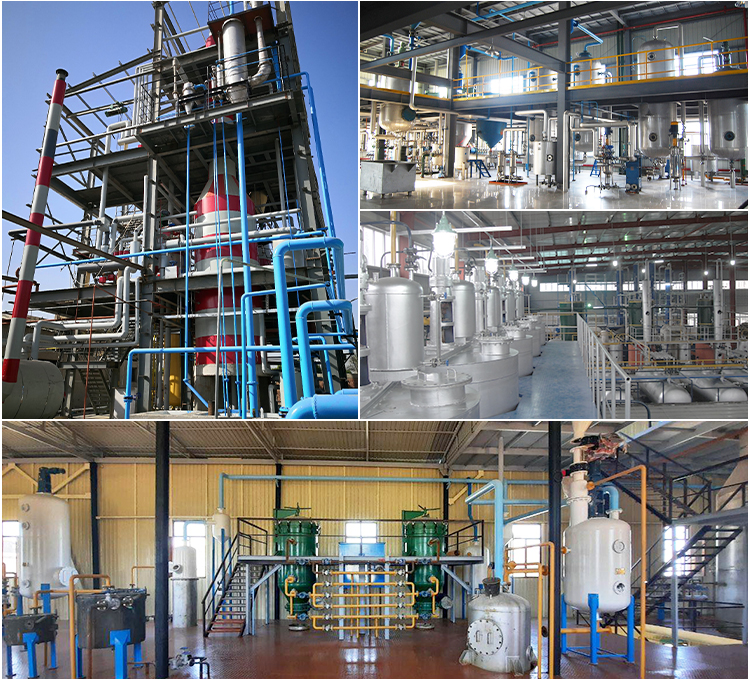
Site Selection
Proximity to soybean-producing areas to reduce raw material transportation costs.
Sufficient water and power supply (refining and extraction require large amounts of steam and electricity).
Convenient transportation for finished product delivery; compliance with environmental protection zoning requirements.
Environmental Protection
Wastewater Treatment: Treat washing water and process wastewater via sedimentation, anaerobic digestion, and aerobic treatment to meet discharge standards.
Waste Gas Treatment: Install activated carbon adsorption devices to treat solvent waste gas and deodorization tail gas; use dust collectors for meal processing dust.
Solid Waste Utilization: Spent bleaching earth can be used as feed additives (after detoxification) or building material raw materials; press cake and meal residues are fully utilized as feed.
Safety Management (Critical for Solvent Extraction Plants)
Hexane is flammable and explosive; the extraction workshop must use explosion-proof motors, lighting, and equipment, and install gas detection alarms.
Strictly control solvent storage and transportation; set up fire separation zones and fire-fighting systems (fire extinguishers, fire water tanks).
Quality Control System
Establish a full-process quality inspection system: test raw soybean moisture and impurity content; monitor extraction temperature, solvent ratio, and residual solvent; inspect refined oil acid value, peroxide value, color, and odor.
Comply with national/international standards (e.g., China GB 1535, Codex Alimentarius, EU food safety standards) for product certification.
In summary, building and operating a successful soybean oil mill plant requires thorough planning, scientific process design, rational equipment configuration, and strict management of safety, environmental protection, and quality. By integrating the key points outlined in this guide—optimizing each production link, adapting to market trends, and prioritizing sustainability and product quality—investors and operators can maximize the utilization value of soybean raw materials, achieve stable and profitable operations, and contribute to the sustainable development of the global edible oil and feed industries. If you are interested in setting up a soybean oil processing plant, please contact us.
What is the average oil yield from soybeans?
Soybeans generally contain 18%–20% oil. Depending on your extraction method, you will recover most of this, but some will always remain in the “cake” or “meal” US Soybean Export Council.
Which extraction method is better: Pressing or Solvent?
It depends on scale. Mechanical pressing is best for small mills (<30 TPD) and organic markets. Solvent extraction is the industrial standard for large plants because it recovers nearly 99% of the oil.
What key parameters need to be controlled in soybean pretreatment?
Pretreatment parameters vary by extraction method: moisture content (8%–10% for solvent extraction, 9%–12% for hot pressing, 6%–8% for cold pressing); flake thickness (0.2–0.3 mm for solvent extraction, 0.3–0.5 mm for pressing); cooking temperature (80–100°C for solvent extraction, 100–120°C for hot pressing).
What safety measures are critical for solvent extraction plants?
Since hexane is flammable and explosive, the extraction workshop must use explosion-proof motors and lighting, install gas detection alarms, strictly manage solvent storage/transport, and set up fire separation zones and fire-fighting systems.
What are the high-value by-products of soybean oil mill plants and their uses?
Key by-products: Soybean meal (high-protein feed for livestock/poultry; can be processed into textured vegetable protein for food). Soybean lecithin (purified for food, medicine, cosmetics industries). Soap stock (processed into fatty acids or industrial soap).
What are the future development trends of the soybean oil mill industry?
The industry tends toward high efficiency, intelligence, and high-value utilization: large-scale plants focus on full automation/continuous production; small/medium plants focus on specialty products (cold-pressed oil) for high-end markets; deep processing of by-products becomes a key direction to enhance profits, with growing demand in emerging markets (Africa, Southeast Asia).
Whether you contact us by phone, email, or leave a message online, we will provide you with comprehensive and high-quality services.
Phone: 0086-13949113983
WhatsApp:
Email: qiea@oilpresses.org
Address: No.352 Lianhua Street, Hightech Industrial Development Zone, , Zhengzhou City,Henan Province, China
