
QIE Machinery
QIE Machinery
QIE Machinery
QIE Machinery

Argentina remains the world’s largest exporter of soybean oil, accounting for roughly 44% of global exports in 2024 with a total trade value of $5.85 billion. The industry is a cornerstone of the national economy, with the soybean complex (beans, oil, and meal) typically providing about 25% of the country’s total export revenue.
QIE Group is a manufacturer soybean oil mill plant and machine, offering complete soybean oil milling plant for business purpose.The manufacturing process of soybeans involves various steps which are carried out by the soybean oil meal machinery or soybean oil plant. The final product which is soybean oil is safe for consumption since it contains unsaturated fats hence you don’t need to worry when consuming it. If you are planning to build a complete soybean oil plant in argentina, QIE Group will be your best guide to the success of your business!
The processing process of soybean oil starts by preparation of the seed oil. The soybean oil mill machinery cleans, dries and de-hulls the soybeans before beginning of the extraction process.
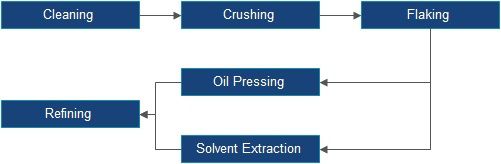
Soybean preparation for oil processing involves a multi-stage pretreatment process—cleaning, drying, cracking, dehulling, conditioning, and flaking—to optimize oil yield and quality before extraction. This process removes impurities, adjusts moisture to ~10-11%, breaks down cell structures, and creates thin,, durable flakes that maximize solvent penetration or press efficiency.
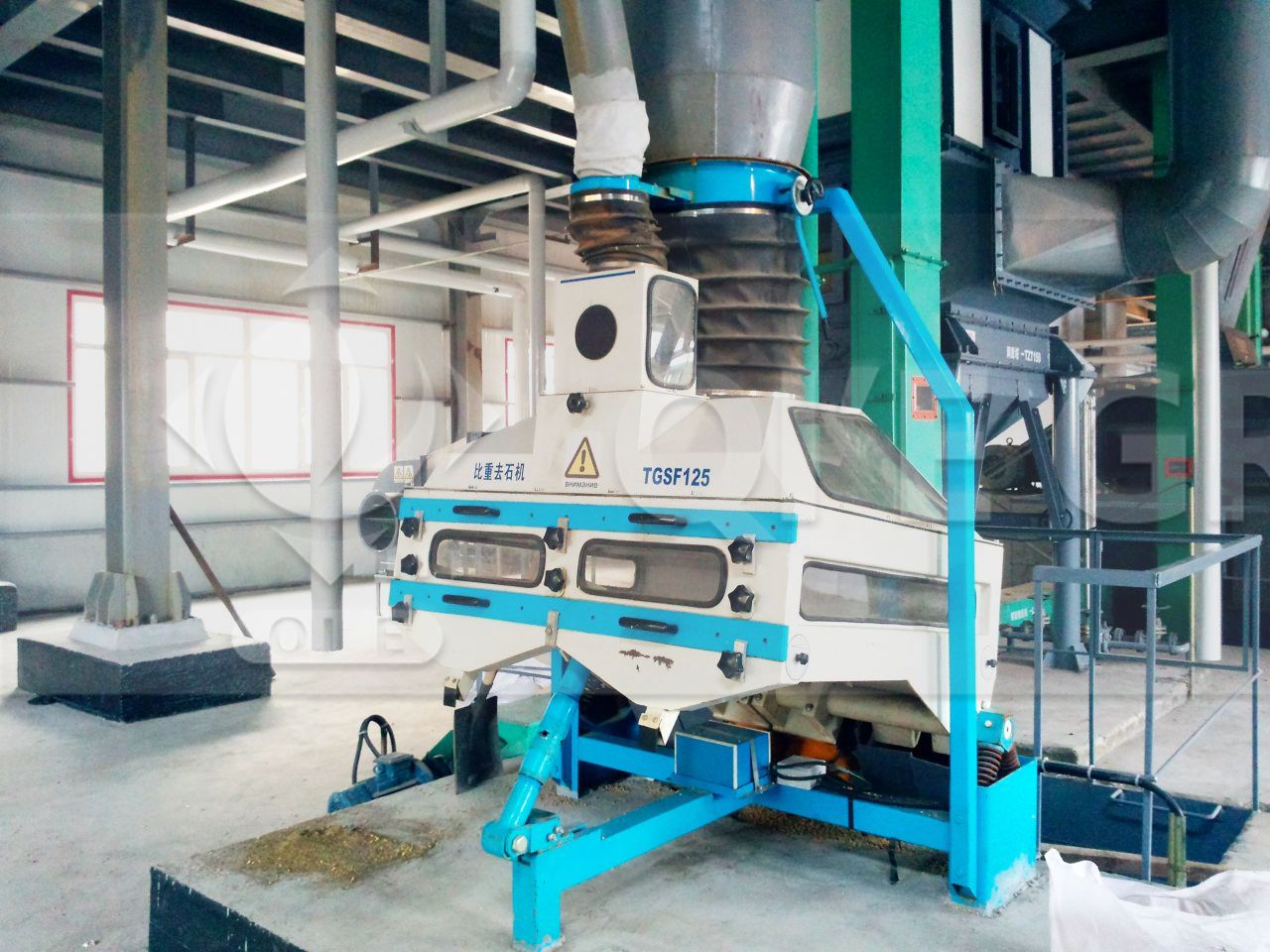
Cleaning & Magnetic Separation: Removes foreign particles like dust, stones, sticks, and metal using screeners and magnetic separators to protect machinery and ensure purity.
Drying: Reduces moisture content to 10-11% to make the soybeans brittle, facilitating easier cracking and reducing the risk of mold.
Cracking & Dehulling: Cracker rollers break the soybeans into 4-8 pieces, separating the high-fiber, low-oil hulls from the protein-rich cotyledon (meat). Aspiration systems remove the hulls.
Conditioning (Cooking/Softening): The beans are heated (around 100°C) and adjusted for moisture to make them plastic for flaking and to coagulate proteins, which aids in oil extraction.
Flaking: The conditioned kernels are passed through flaking rollers to produce thin, uniform flakes (\(0.25-0.35\) mm). Flaking breaks the cell walls, reducing the distance oil must travel to be extracted, which is crucial for solvent extraction or pressing efficiency.
Expanding (Optional): Some plants use expanders to form “collets” (porous pellets) from the flakes to improve solvent flow and increase extraction efficiency.
The prepared soybeans are then processed to extract the oil content in them. This can be done using mechanical extraction, solvent extraction, or a combination of these two methods.
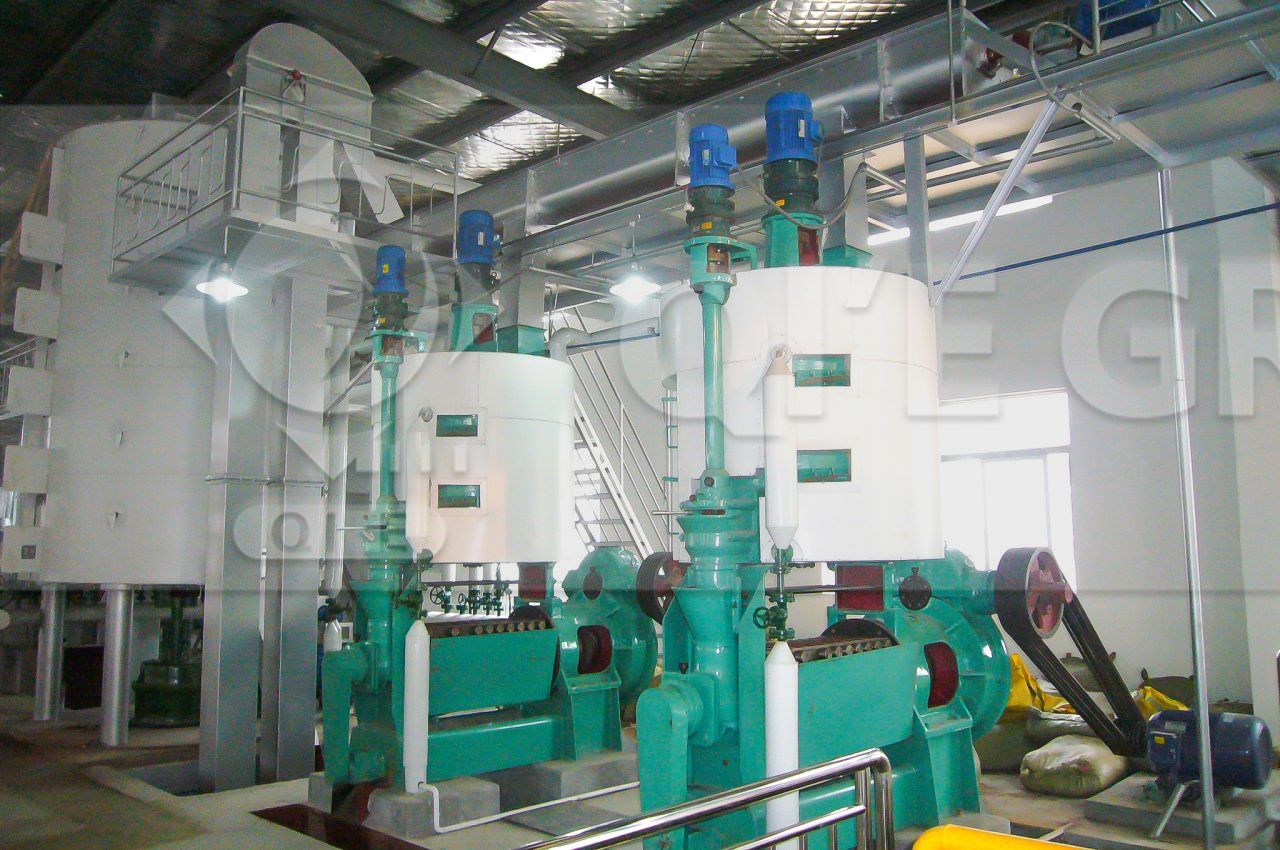
Used more commonly for small-scale production, mechanical extraction or expeller pressing involves crushing the soybeans so that the oil is expelled from them. This process leaves behind a solid residue known as soybean meal. Soybean meal has a high protein content and may be redirected to other industries, like animal feed production, where it has a high value.(You may also interested in Controlling Soybean Oil Processing Plant Cost >>)
While mechanical extraction produces high-quality, more nutrient-dense oils than solvent extraction, it yields only about 60 to 70% of the total oil present in the soybeans.
Solvent extraction, on the other hand, involves the use of a solvent like hexane to extract a comparatively large quantity of oil from the feedstock.
In this process, the prepared soybeans are mixed with a solvent that dissolves the oil in them. The solvent-oil miscella is separated from the solid component of the soybeans. After this, the solvent and oil are separated. Additionally, the residual solvent is also recovered from the soybean meal.
Solvent extraction is the preferred method in the industrial soybean oil manufacturing process because of its high yield of up to 98%.
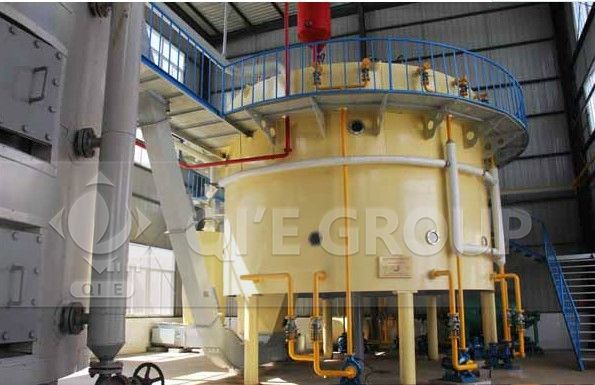
Solvent Extraction Procedure
The soybean flakes gets into the extractor through feeding scraper, the materials run a circle from the feed inlet to discharge outlet in the extractor. Spraying the extruded rice bran with the concentrate diminishing miscella between the feed inlet to discharge outlet. Then before getting into the drain off section, spraying again with fresh solvent, the drained wet meal discharges into the wet meal scraper from the extractor’s discharge grid through kick-out device. The concentrated miscella gets into the two-stage hydrocyclone from the pump, to remove the powder impurities, finally get into the miscella tank.
Desolventizing Procedure
The solvent contain wet meal that from the extractor are sent to the DTDC desolventizer’s pre-desolventizing layer by scraper through air locker, the bottom is heated by indirect steam to remove part of solvent; then the pre-desolventized wet meal get into the desolventizing layer, there are automatic control on the desolventizing layer to keep certain thickness of materials, then the bottom gets into the direct steam to remove all the solvent, at same time some steam condense in the meal, the moisture content of meal will sectional rise. The desolventized meal falls onto the drying layer quantitative through rotary valve, the drying layer keeps certain materials level, then process the drying procedure, after drying get into the cooling layer to lower down the temperature, finally discharge the finished meal through automatic flow controlling gate, then though the scraper to transport the meal to warehouse.
Evaporation Procedure of Soybean Oil Plant
The miscella gets into the first long tube evaporation pass from the miscella tank, the evaporated solvent gets into the evaporation condenser through separation chamber, there are liquid level controlling device on the separation chamber’s outlet pipeline to keep the liquid seal, the miscella that after first evaporation concentration gets into the second long tube evaporator for evaporating process. The shell pas is heated by indirect steam, the evaporated solvent vapor gets into evaporation condenser through separation chamber, there are liquid level controlling device on the separation chamber’s outlet pipeline to keep the liquid seal. The miscella gets into the stripping tower’s disks from the top of the tower, then fall down layer by layer, meanwhile jet direct steam from the bottom of tower to remove the residue solvent.
Solvent Condensation and Water Separation Procedure
The liquor condensate that from evaporation condenser, energy saver condenser and steam stripping condenser is collected together then through recovery pump to inject them into water segregator. The end condensed steam enter into the energy saver condenser, the energy saver’s liquor condensate and first evaporation shell pass’s liquor condensate get into the water segregator directly. The free gas of energy saver condenser,tripping condenser, water segregator and solvent library together enter into the final condenser, the end steam from final condenser is absorbed by paraffin recovery device.
Tail Gas Absorption Procedure of Soybean Oil Plant
The non condensed vapor from extraction evaporator, DT evaporator, oil stripper, cooking pot, water segregator and underground solvent tank, get into the final condenser for recovering the solvent, the non condensed vapor from the final condenser gets into the mineral oil recovery device, the free gas are discharged into air through fire barrier.
Oil refining is a very important part of the processing process because the oil contains impurities like phospholipids, pigment, and off-flavor which need to be removed to make the oil edible. The oil insoluble impurities are removed through filtration process while the soluble materials are removed by different processes such as alkali refining, degumming which involves removal of phosphatides and bleaching. The alkali removal process involves washing the oil with alkaline solution in order to remove colorants, free fatty acids, and gums. The bleaching involves used of activated carbon or activated earth which removes the colour and also other impurities.(Read More: Large Continuous Soybean Oil Refinery Plant >>)
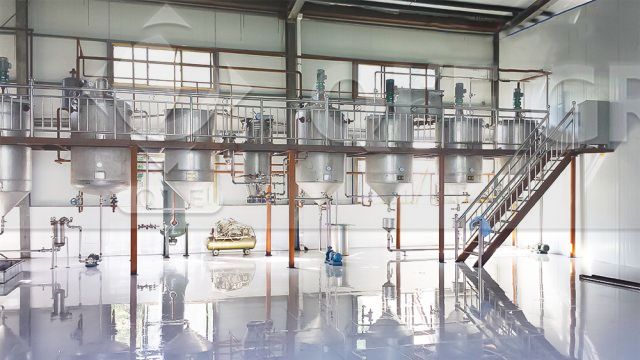
Degumming
This step is critical to improving the quality of the oil. The extracted crude soybean oil contains impurities such as phospholipids, which must be removed at the first step. Because these impurities will affect the stability of oil storage and will also affect subsequent refining steps of soybean oil.
Deacidification
After degumming, the crude soybean oil undergoes a deacidification step to remove free fatty acids and other impurities. An alkaline solution (usually sodium hydroxide NaOH) is added to the soybean oil. This process helps remove acids and impurities (soapstock, produced by acid-base neutralization saponification reactions, can absorb suspended impurities) while improving the stability and color of the oil.
Decolorization
To improve the appearance and clarity of the oil, the neutralized oil goes through a decolorization process. Add the activated white clay and it can adsorb pigments of the oil, resulting in a brighter soybean oil and extending the shelf life of oil products.
Deodorization
Next, the oil undergoes deodorization to eliminate any unwanted odors and flavors. Finish this step, you will get the soybean refined oil. Steam distillation is employed to remove volatile compounds responsible for off-flavors. This crucial step helps enhance the sensory quality of the soybean oil.
For investors to open soybean oil processing plants, it is very important to choose high-quality soybean oil processing equipment. The following factors need to be considered when purchasing: the quality of raw materials used in production equipment, processing technology and technology, equipment operation safety and after-sales service, etc.
Raw materials used in production equipment
Only the use of excellent raw materials can produce high-quality equipment products. Professional equipment manufacturers will use high-quality raw materials to ensure the quality and service life of the equipment. QIE Group has its own factory, it can not only ensure the quality of equipment but also reduce the investment cost of customers.
Processing technology
The processing technology of the equipment will directly affect the quality of the refined oil. Therefore, it is more critical whether the process flow provided by the manufacturer is complete and whether it meets the needs of customers. QIE Group has its own engineering team and equipment manufacturing team, which can customize the process of soybean oil processing equipment according to the specific needs of customers, and can also design the plant layout for customers to make it more reasonable.If the soybean oil processing technology does not meet the demand, the quantity and quality of the produced soybean oil may not meet the quality standards, which will directly affect the actual profit of customers.
After-sales service
Perfect after-sales service is also an important factor to consider. Choosing a company with good after-sales service can solve your worries. QIE Group has rich experience in equipment design, production and installation, and engineers will debug the installed equipment to ensure that the equipment can meet the production requirements, allowing customers to quickly put into production and the project to proceed smoothly.
Building a complete plant in Argentina offers distinct structural advantages that few other global locations can match, primarily centered on its status as the world’s leading soybean “crushing hub.”
Proximity to Raw Material & Logistics
The “Rosario” Cluster: Argentina boasts the world’s highest concentration of crushing plants in the Greater Rosario area. Building here places you within a 300km radius of the most productive soy fields and directly adjacent to the Paraná River deep-water ports.
Logistics Efficiency: Unlike the US or Brazil, where beans travel thousands of miles by rail or truck, Argentine plants are often integrated with their own port terminals, drastically reducing internal transport costs.
High Industrial Efficiency & Scale
Advanced Infrastructure: Because the industry is export-oriented, Argentina utilizes the latest solvent extraction technology. Large-scale plants can process over 20,000 tons per day, achieving economies of scale that smaller regional competitors cannot Viterra Argentina.
The “Admission Temporaria” System: Argentina allows for the temporary tax-free import of raw soybeans from Paraguay and Brazil to be processed and re-exported. This ensures your plant runs at high capacity even if local harvests are low.
Integrated Value Chain
Soybean Meal Synergy: Argentina is the world’s top exporter of soybean meal. A complete plant allows you to profit from the high-protein meal (used for global livestock feed) while refining the oil for human consumption or biodiesel.
Biodiesel Opportunities: Argentina has a robust Biodiesel Law that mandates domestic blending. A plant can easily pivot between selling edible oil and producing biofuel depending on global market prices.
Skilled Labor and Specialized Support
Technical Expertise: Decades of industry dominance mean a ready supply of specialized engineers, technicians, and maintenance services focused specifically on Soybean Processing Machinery.
Research & Development: Proximity to institutions like INTA (National Agricultural Technology Institute) provides access to data on seed quality and oil content optimization.
Export Tax Benefits (Differential Duties)
Value-Added Incentives: Historically, the Argentine government has applied lower export taxes on processed products (oil and meal) compared to raw beans. This “differential” encourages local industrialization rather than exporting unprocessed grain.
Why build a soybean oil plant in Argentina?
Argentina is the world’s 3rd-largest soybean producer (≈20% global share) with abundant, low-cost feedstock, ideal logistics access to the Paraná River/Port of Rosario (95% of soy exports), and government incentives for agribusiness processing. It also offers national treatment for foreign investors and tariff breaks for processing equipment.
Which provinces are best for plant location?
Top hubs (soy production + logistics + infrastructure):
Santa Fe (Rosario/Timbues): Largest crushing cluster, Paraná River access, port terminals.
Buenos Aires & Entre Ríos: Mature processing zones, existing supply chains.
Prioritize proximity to soybean farms, river/road transport, power, and water; avoid flood-prone lowlands along the Paraná.
What are the standard capacity scales for a commercial soybean oil plant?
Industrial soybean oil plants are classified by daily processing capacity of soybean raw material (the core metric for scale design):
Small-scale: 50–200 tons/day (suitable for regional raw material supply, local market sales)
Medium-scale: 200–1000 tons/day (balanced investment and output, for domestic wholesale + regional export)
Large-scale: 1000–5000+ tons/day (for global bulk trade, requires centralized raw material bases and perfect logistics)
What is the standard industrial process for soybean oil production?
A complete soybean oil plant adopts the solvent extraction process (the most cost-effective for industrial production, oil yield up to 19–21%); the full flow is:
Raw Soybean Pre-Treatment → Solvent Extraction (Crude Oil + Soybean Meal) → Crude Oil Refining (Edible Refined Oil) → Finished Product Packaging/Storage
Auxiliary process: Solvent recovery (hexane, recyclable >95%), wastewater treatment, by-product (soybean meal) drying/crushing.
What core equipment is required for each process link?
All equipment is industrial-grade, customized for daily processing capacity; core configuration is as follows:
Pre-Treatment Section: Soybean cleaner (remove impurities), dehuller, flaker, steam cooker, screw press (pre-pressing for high-efficiency extraction)
Solvent Extraction Section: Continuous counterflow solvent extractor, desolventizer-toaster (DT), hexane distillation/condenser (solvent recovery), oil-sludge separator
Crude Oil Refining Section: Degumming tank, neutralizer (deacidification), bleaching tower (decolorization), deodorizer (deodorization, deacidification), filter presses (plate/frame), heat exchanger
Auxiliary & Supporting Equipment: Soybean silos (raw material storage), crude/refined oil storage tanks, steam boiler/thermal oil furnace (heat supply), wastewater treatment system (WWTS), packaging line (bulk filling/drum/bottle filling)
What are the key plant maintenance points?
Regular maintenance is critical to avoid production downtime; core points:
Mechanical equipment: Screw presses/extractors (lubricate moving parts, replace wear parts monthly/quarterly)
Tanks/pipelines: Regular cleaning (remove oil sludge), anti-corrosion treatment (annual)
Solvent system: Leak detection (daily) for hexane storage/transport pipelines (flammable risk)
Refining equipment: Bleaching towers/filters (replace bleaching earth, clean filter screens regularly)
Electrical/control systems: Inspect power supply and PLC system (weekly) to avoid automation failures
WWTS: Clean treatment tanks (monthly) to ensure wastewater discharge compliance
Whether you contact us by phone, email, or leave a message online, we will provide you with comprehensive and high-quality services.
Phone: 0086-13949113983
WhatsApp:
Email: qiea@oilpresses.org
Address: No.352 Lianhua Street, Hightech Industrial Development Zone, , Zhengzhou City,Henan Province, China
