
QIE Machinery
QIE Machinery
QIE Machinery
QIE Machinery

Ghana, a major producer of soybeans in West Africa, presents an excellent opportunity for individuals or investors interested in setting up a soybean oil solvent extraction plant.
Ghana’s soybean oil sector is undergoing significant expansion through both private industrial capacity and new government-led initiatives aimed at reducing import dependency. While traditional mechanical pressing remains common, industrial-scale solvent extraction is currently led by a few major players.
A soybean oil solvent extraction plant is a high-efficiency industrial facility designed to maximize oil recovery from soybeans using chemical solvents. Unlike mechanical expelling, this method can reduce the residual oil content in the meal to less than 1%.(You may also interested in Advanced Soybean Oil Production Line Solutions >>)
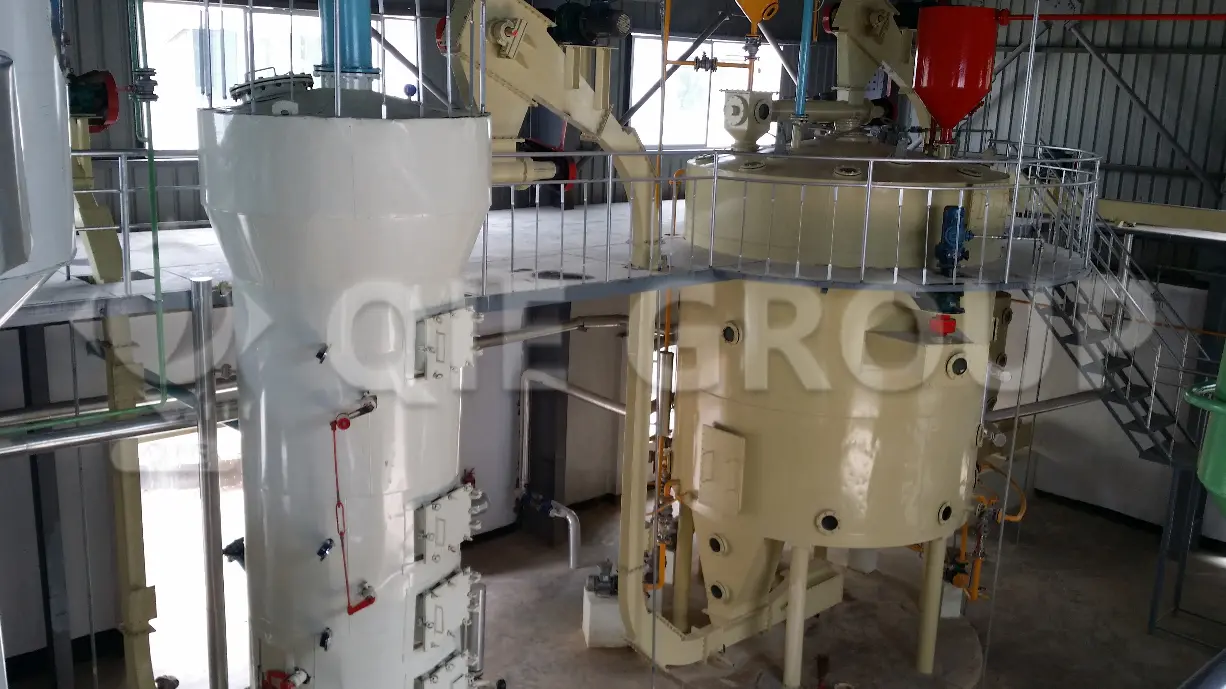
The solvent extraction process is the most efficient way to recover oil from soybeans, achieving an oil extraction rate of nearly 98–99%. Unlike mechanical pressing, which leaves about 6–10% oil in the cake, solvent extraction uses a chemical (usually Hexane) to “wash” the oil out of the bean. Processing capacity: 50-1000tpd, Suitable for large scale soybean oil mill plant.
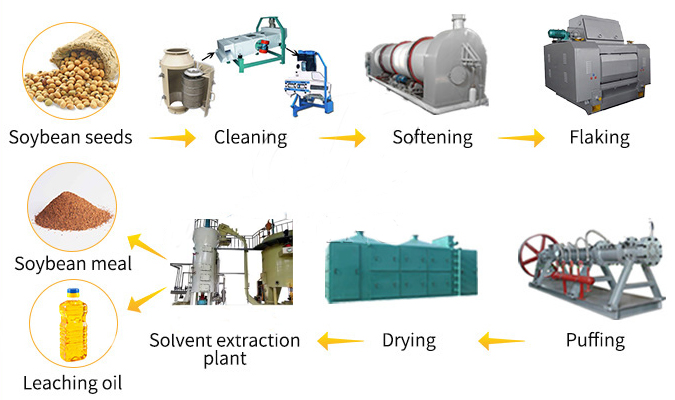
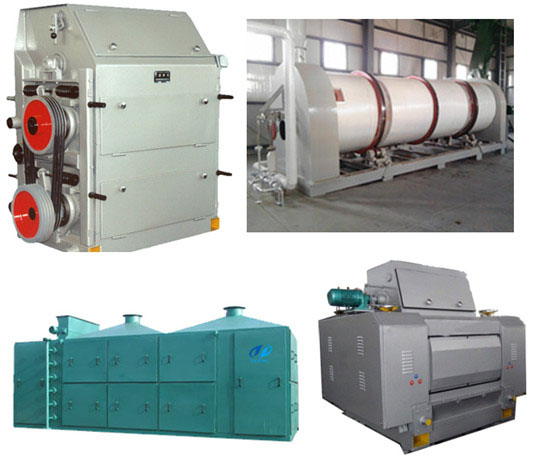
Before the solvent is applied, the soybeans must be physically altered to maximize the surface area for the chemical reaction.
Cleaning & De-stoning: Removing sand, stalks, and metal.
Cracking: The beans are broken into 4–8 pieces to loosen the hulls.
De-hulling: The outer skins are removed via air aspiration. This improves the protein content of the final meal.
Conditioning: The bean bits are heated to soften them.
Flaking: This is the critical step. The beans are passed through rollers to create thin flakes (about 0.25mm). This breaks the cell walls so the solvent can reach the oil easily.
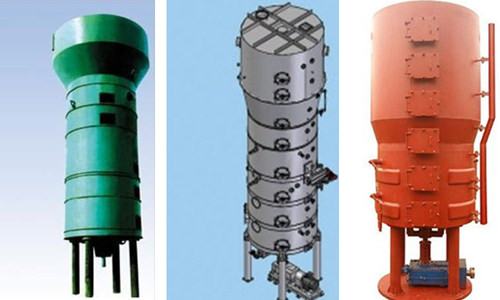
The prepared flakes are moved into the Extractor, where they meet the solvent (Hexane).
Counter-Current Flow: Fresh solvent enters at one end, while fresh flakes enter at the other. They move past each other so the most “washed” flakes meet the cleanest solvent.
Miscella Formation: The mixture of liquid oil and hexane is called Miscella.
Wet Meal: The oil-free flakes, now saturated with solvent, are called Wet Meal.
The “Wet Meal” must be cleaned of hexane so it can be sold as animal feed.
The meal enters the DTDC (Desolventizer-Toaster-Drier-Cooler).
Toasting: Steam is used to evaporate the hexane and also to neutralize “anti-nutritional factors” (like trypsin inhibitors) in the soy, making it safe for livestock to eat.
Drying/Cooling: The meal is dried to a stable moisture level and cooled for bagging.
The Miscella (oil + hexane) undergoes a multi-stage distillation process to separate the two.
Evaporation: The mixture is heated. Since hexane has a much lower boiling point than oil, it turns into vapor first.
Stripping: A vacuum stripper removes the final traces of hexane.
Crude Soybean Oil: The result is crude oil, which is then sent to a refinery for degumming and bleaching.
For a plant to be profitable and environmentally friendly, the hexane must be reused.
Hexane vapors from the DTDC and the Distillation units are sent through Condensers.
The vapors are cooled back into liquid form and pumped back into the Extractor to start the cycle again.
Choosing between solvent extraction and mechanical pressing (expelling) depends on your intended production scale and target market. Solvent extraction is built for industrial efficiency, while mechanical pressing focuses on natural quality and specialty feeds.(Read More: Controlling Soybean Oil Processing Plant Cost >>)
| Feature | Solvent Extraction | Mechanical Pressing |
|---|---|---|
| Oil Yield | 98% – 99.5% | 85% – 90% (approx.) |
| Residual Oil in Cake | < 1% | 6% – 8% |
| Primary Advantage | Maximum efficiency & scale | Chemical-free & higher energy |
| Scale Suitability | Large (30+ TPD recommended) | Small to medium scale |
| Market Target | Mass-market refined oil | Premium “natural” or non-GMO |
Extraction Efficiency & Yield
Solvent Extraction: Uses chemicals like n-Hexane to dissolve oil. It is the gold standard for soybeans, which have a relatively low oil content (approx. 20%), because it leaves almost no oil behind.
Mechanical Pressing: Squeezes oil out physically. Because the soybean matrix is “stiff,” it is difficult to extract all the oil using pressure alone, leading to lower yields.
Quality of the By-Product (Soybean Meal)
High Protein (Solvent): Removing nearly all the oil results in a meal with a higher protein concentration, which is ideal for industrial feed formulation.
High Energy (Mechanical): The residual 6–8% oil in the cake provides higher metabolizable energy, which many nutritionists prefer for specific livestock diets without needing to add extra fat back in.
Operational & Environmental Factors
Cost: While solvent plants have lower operational costs per ton at high volumes, they require explosion-proof infrastructure and a much higher initial investment.
Safety & Environment: Solvent extraction carries a thermal and chemical risk due to hexane usage. Mechanical pressing is considered the cleanest extraction method as it avoids chemical solvents entirely.
Greenhouse Gases: Interestingly, while mechanical pressing is chemical-free, it can have higher greenhouse gas emissions per kg of oil produced due to the high electricity consumption required to power heavy-duty screw presses.
Sourcing Hubs: Processing is increasingly concentrated in the Northern, North East, and Upper West regions, where the vast majority of the 2026 long-rain harvests are located.
Capacity Gap: Despite the 12 major processing companies having a combined capacity for nearly 170,120 Mt per year, there remains a massive gap as national demand continues to grow for both edible oil and high-protein soymeal for the aquaculture and livestock industries.
Export Restrictions: By 2026, the government is also implementing phased bans on raw material exports (starting with shea nuts) to force value addition within Ghana, a policy expected to eventually influence the soybean sector to bolster local solvent extraction plants.
What is a soybean oil solvent extraction plant?
It is a facility using food – grade solvents (usually hexane) to extract oil from pretreated soybean flakes. The process involves solvent extraction, desolventization, solvent recovery, and crude oil refining, achieving over 99% oil recovery with residual oil in meal ≤1%.
What is the typical capacity range for such plants in Ghana?
Small – scale plants: 10–50 TPD (tons per day); medium – scale: 50–200 TPD; large – scale: 200–1000 TPD. Ghana Nuts and Vestor Oil have combined annual solvent extraction capacity of 84,400 Mt.
What are the key equipment components?
Seed cleaner, dehuller, flaker, solvent extractor (Rotocel, drag chain, etc.), desolventizer – toaster (DT), evaporator, stripper, condenser, crude oil tank, and meal cooler.
What are the local regulations for setting up a plant in Ghana?
Environmental Compliance: Adhere to EPA Ghana standards for solvent emission, waste water discharge, and waste management.
Licensing: Obtain NIA, GSA, FDA, and EPA permits.
Safety: Follow GMP, fire safety norms, and solvent handling protocols.
Import: Comply with Ghana Customs for machinery and solvent imports.
How to source soybeans locally in Ghana?
Soybeans are mainly grown in northern Ghana. Partner with local farmers, cooperatives, or aggregators. Ghana has 12 major processors and many SMEs, ensuring a steady supply chain. Cross – border sourcing from Togo and Burkina Faso is also feasible.
What is the solvent of choice and its management?
Hexane is the standard. It must be food – grade, stored in sealed tanks, and recovered via a closed – loop system (recovery rate ≥95%). Monitor for leaks and ensure proper ventilation to prevent explosion risks.
What about solvent residue in oil and meal?
Residual solvent in crude oil is removed during refining, with final residue meeting international standards (≤50 ppm). Desolventized meal has ≤0.05% solvent residue, suitable for high – protein (48–50%) animal feed.
Whether you contact us by phone, email, or leave a message online, we will provide you with comprehensive and high-quality services.
Phone: 0086-13949113983
WhatsApp:
Email: qiea@oilpresses.org
Address: No.352 Lianhua Street, Hightech Industrial Development Zone, , Zhengzhou City,Henan Province, China
